“Words are not marketing collateral. They are structural architecture.”
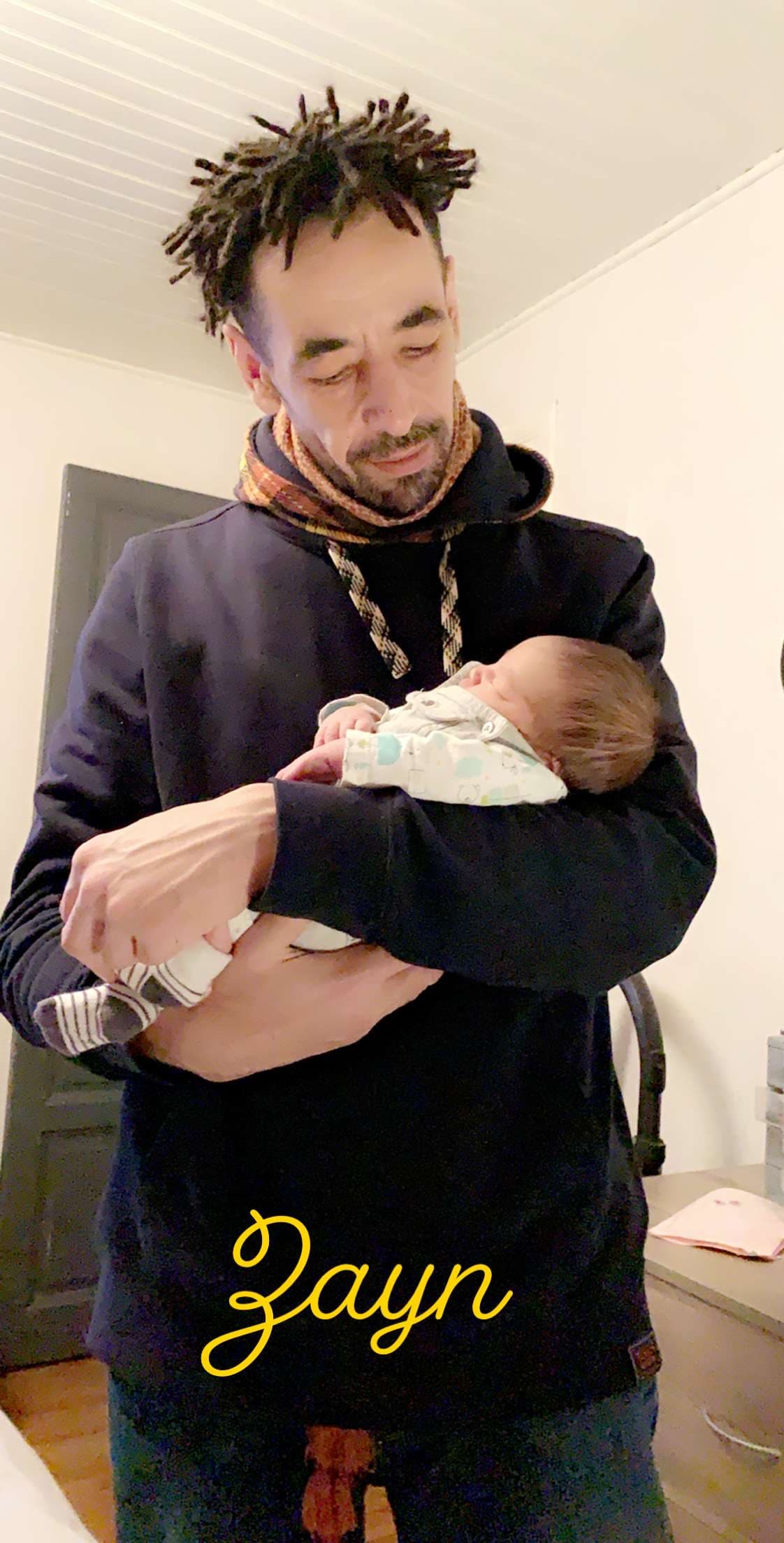
My youngest son — born with Goldenhar Syndrome, a condition that arrived in our lives the way hard things always do: without warning, without permission, without any interest in your plans.
I remember the hospital in France. Fluorescent lights humming that particular low hum that fills rooms where serious things are being said. A doctor reading from a chart. Words like "facial asymmetry" and "developmental delays" spoken with clinical softness, as if the packaging might reduce the impact of what was inside.
I held my son and I listened.
The first 48 hours, I broke.
Not quietly. Not gracefully. I sat with the full weight of it and I let it land. What his life might look like. What he'd have to fight for that other kids would never think twice about. What kind of father I needed to become.
And then something shifted.
If he was going to fight every single day just to do what others do without thinking — then the least I could do was build something that would never fail him.
That photo doesn't remind me of pain.
It reminds me why mediocre is not an option.
I didn't start as a copywriter.
I started as a kid from a small town in the south of France with a notebook full of lyrics and a dream too large for the town he was born in.
Music pulled me first. Not just as a listener — as a builder. I wrote verses, rewrote choruses, found the words that made a song land in the chest instead of just the ears. I became a sound engineer. I wrote for artists. I shaped their stories until the words fit the people they were trying to reach.

